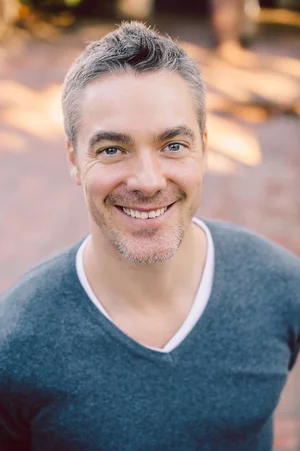
Q&A: Inside The Making Of “Last Shot” With Hemlock Circle Productions
Last Shot is the latest feature from Hemlock Circle Productions, a club‑basketball drama that doubles as a deeply personal story about family, grief, and second chances. We sat down with producers Todd M. Friedman and Warner Davis to talk about why they made the film, how it fits into the broader Hemlock slate, and what’s next as they take it to festivals and audiences.
Q: For someone who hasn’t heard of Hemlock Circle before, how do you describe what you’re building?
Todd: Hemlock Circle is our home base — a single banner for all the films we’re making together, instead of scattering each project across its own little island. We want people to be able to discover one film, recognize “Oh, that’s a Hemlock Circle movie,” and then easily find the rest.
Warner: We talk about it as our version of an A24‑style brand. Different genres, different tones, but a shared DNA: strong performances, grounded human stakes, and stories we’re actually proud to stand behind.
Q: Where did the idea for Last Shot come from?
Todd: I wrote Last Shot out of my own life. I used to be that dad in the stands—loud, over‑invested, and ultimately not showing up in the way my kid needed. Getting sober and putting some distance between who I was and who I wanted to be opened up a lot of questions about fatherhood, grief, and how sports can be both an escape and a way back to each other. That’s the heart of the movie.
Warner: From my side, I could see how personal this story was for Todd, but it also felt universal. You don’t have to know anything about club basketball to understand a parent trying to reconnect with their kid, or a teenager trying to figure out who they are when everything shifts under their feet.
Q: How does Last Shot fit into the bigger picture for Hemlock Circle?
Warner: It’s a big one for us. We’ve done horror, dark comedy, and other genres, but Last Shot shows a different side of what Hemlock can do. It’s still got tension and big moments, but the emotional spine is front and center. As a company, it’s one of those films that says, “This is the level of story and performance we’re aiming for going forward.”
Todd: We also see it as a key “gateway” film. If Last Shot is someone’s first Hemlock movie, we want them to feel like they’ve discovered a voice they can follow, not just a one‑off sports drama.
Q: What do you hope audiences feel when they watch Last Shot?
Todd: Hope, honestly. The film doesn’t shy away from grief or the messiness of addiction and regret, but it’s ultimately about love and perseverance — how you try again, and how you show up differently even when you already feel like you’ve blown it. If people walk out feeling seen, or thinking about their own relationships a little differently, then we’ve done our job.
Warner: I want people to feel like they’ve watched something real. Not polished in a fake way, but honest — about family, about pressure, about the ways we cope. And I want them to have the sense that they’ve discovered filmmakers who care about that kind of honesty.
Q: What has the collaboration process between you two looked like on this film?
Todd: We talk constantly. Ideas, strategy, “is this the right move?” It’s an ongoing conversation. On Last Shot, that meant trading notes on the script, on casting, on how to roll the film out at festivals, and how it should live within the Hemlock brand as a whole.
Warner: It’s very integrated. On any given day we might be talking about the creative, then five minutes later we’re deep in distribution strategy. YouTube pillars, trailers, festival timelines, you name it. The benefit is that decisions about the film never happen in a vacuum; they always take into account how this fits into the bigger journey we’re on.
Q: You’ve mentioned YouTube and digital a few times. How does Last Shot connect with your broader digital strategy?
Warner: We’re treating the Hemlock Circle YouTube channel as the foundation. That’s where the core video content will live — trailers, featurettes, BTS, cast & crew interviews — and then everything else spokes out from there to the site, socials, and ads. We’ve done a lot of keyword work so that when someone searches for the film, or Hemlock Circle, they can find us quickly and end up on a landing page that actually tells the story.
Todd: For Last Shot, that means HD trailers embedded on the site, smart YouTube descriptions, and a consistent path from “I just saw this clip” to “I know where and how to watch the film.” We want discovery to feel intentional, not random.
Q: What’s next for Last Shot and for Hemlock Circle?
Todd: Near term, it’s all about festivals and building awareness — making sure people know Last Shot exists, that it’s worth their time, and that it’s part of a larger body of work. Long term, we’re committed to growing Hemlock into a name that audiences recognize and trust.
Warner: We’re thinking in years, not weeks. Last Shot is a big chapter, but not the whole story. The goal is to keep making films that feel like they belong together, to keep refining how we present them to the world, and to deepen the relationship with the people who show up for our work.
Q: WHich film festivals are featuring Last Shot so far?
Todd: The Wisconsin Film Festival just announced Last Shot, which will be a fun experience with my university roots there.
Warner: Dallas International Film Festival is a big one. We just heard the announcement that Last Shot will open the festival, so I’m excited to watch it with 700 people in the audience.
Todd: Much more to come, too. We’re so excited to share the behind-the-scenes & sneak peek materials with our Club Hemlock subscribers!